
A successful school furniture project is about much more than choosing products. Whether you are refurbishing a single classroom, updating specialist spaces or completing a full school-wide transformation, careful planning is what ensures everything is delivered, installed and ready when pupils return.
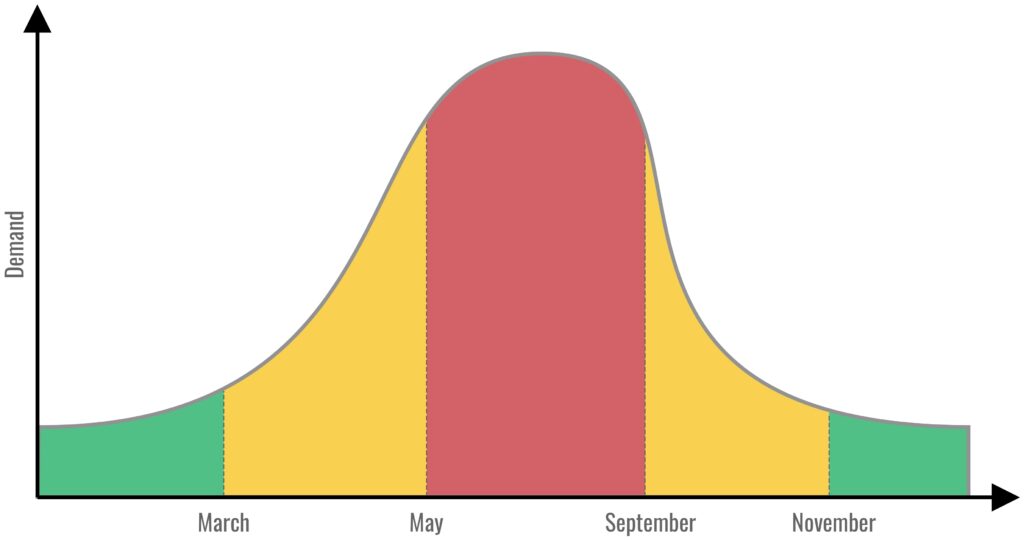
For education settings, timing is critical. Most furniture projects need to fit around school holidays, particularly the summer period when spaces are empty and larger works can be completed with minimal disruption. With demand for school furniture typically increasing between May and September, starting the process early gives schools the greatest choice, flexibility and confidence that deadlines will be met.
At Witley Jones, we support schools through every stage of a project, from initial discussions and design development through to manufacturing, delivery and installation.
Why early planning makes all the difference
Many school furniture projects begin months before anything is delivered. In some cases, planning starts a year in advance, allowing schools to explore ideas, review budgets and develop the right solution without being restricted by tight deadlines.
Starting early helps schools to:
- understand project requirements clearly
- review different design options
- coordinate with contractors and estate teams
- plan budgets effectively
- secure suitable manufacturing and installation timescales
The earlier a project begins, the more opportunity there is to refine the details and avoid challenges later in the process.
Furniture projects often involve multiple decisions, from layouts and storage requirements to finishes, handles, lighting and integrated features. Taking time at the beginning helps create a finished space that works for staff and pupils every day.
The journey from idea to installation
Every bespoke school furniture project follows a carefully managed process. Each stage plays an important part in ensuring the final result meets expectations and is completed on time.
Project briefing, planning and design
The first stage is understanding what the school needs to achieve.
This involves discussions with key stakeholders, site visits and reviewing how existing spaces are used. A classroom, library, dining area or specialist room each has different requirements, so understanding the purpose of the space is essential.
During this stage, schools can explore:
- room layouts and space planning
- storage needs
- furniture styles and finishes
- accessibility considerations
- practical requirements for staff and pupils
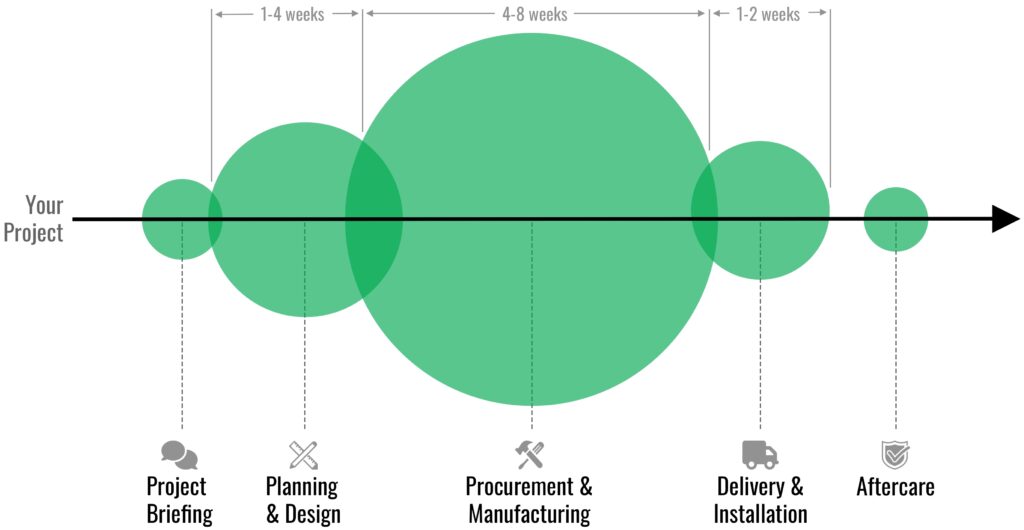
This planning stage can take up to four weeks, depending on the size and complexity of the project.
By investing time here, schools can make informed decisions and ensure the final design supports learning, movement and day-to-day use.
Design development and detailed drawings
Once the project moves into the Drawing Office, our Design Team creates detailed 3D drawings and layout options.
These drawings allow schools to see how the finished space will look before manufacturing begins. It gives everyone involved the opportunity to review measurements, make adjustments and confirm that the design works in practice.
For larger projects, design work can take longer, especially during busy periods. Between April and June, demand for school furniture projects increases significantly, meaning early approval becomes even more important.
The design stage is also where finer details are confirmed, including:
- furniture finishes
- colours and materials
- ironmongery and handles
- integrated lighting
- electrical requirements
- bespoke features
This ensures every element is considered before production starts.
Approving designs and placing the order
Signing off on designs is an important milestone.
Once approval is received, production planning can begin. This allows materials to be secured, manufacturing schedules to be created and the project to move forward.
Timely decisions at this stage help prevent delays, particularly where materials have longer lead times or where bespoke manufacturing is required.
For schools working towards summer installation dates, this stage is particularly important. The later an order is placed, the less flexibility there is within production schedules.
Manufacturing bespoke school furniture
Once an order is confirmed, our Operations and Production Teams carefully plan every part of the manufacturing process.
This includes:
Machining and material preparation
Materials are carefully managed to ensure quality, efficiency and minimal waste. Production schedules are planned around machinery capacity and material availability to maintain a smooth workflow.
Manufacturing and finishing
Each piece of furniture moves through the required stages of production, including machining, preparation, finishing and drying.
Assembly and preparation
Once the components are ready, the furniture is assembled, checked, packaged, and prepared for delivery.
The full manufacturing process typically takes between four and eight weeks, depending on the size and complexity of the project.
Delivery and installation
The final stage is bringing the project together on site.
Delivery and installation require careful coordination between the school, contractors, estate teams and installation teams. Planning access, timings and room availability ensures furniture can be installed efficiently and spaces can be prepared for use.
Installation usually takes around two weeks, although this depends on the scale of the project.
A well-managed installation process helps ensure classrooms, communal areas and specialist spaces are ready before staff and pupils return.
A typical school furniture project timeline
Every project is different, but a typical project timeline may look like this:
12+ months before installation
Initial discussions, site meetings and project planning begin.
Schools review requirements, budgets and possible design approaches.
Up to 4 weeks
Project briefing, design development and space planning take place.
Layouts, specifications and finishes are reviewed.
6–8 weeks
Detailed drawings, approvals and quotations are finalised.
The project moves into production planning once approved.
4–8 weeks
Materials are sourced and furniture is manufactured.
Each item is produced, finished and prepared for delivery.
Around 2 weeks
Delivery, installation and final preparation take place.
The completed space is ready for the new term.
Avoiding common delays in school furniture projects
Even well-planned projects can become challenging if key decisions are delayed. A few simple steps can help keep everything on track.
Leaving planning too late
The busiest period for school furniture manufacturing is typically between May and September. Starting early gives schools greater flexibility and avoids limited installation availability.
Delaying design approval
Small changes at the design stage are much easier to manage before production begins. Late changes can affect materials, manufacturing schedules and delivery dates.
Not considering the whole space
Furniture replacement is an opportunity to improve how a room works. Reviewing layouts, storage and movement can create a much better long-term solution than simply replacing items like-for-like.
Overlooking installation requirements
Successful projects depend on more than manufacturing. Access, room preparation and coordination with other works all need to be considered early.
Creating spaces ready for the future
A school furniture project is an investment in the environment where pupils learn every day.
The best results come from combining thoughtful design, careful planning and skilled manufacturing. By working collaboratively from the beginning, schools can create spaces that are practical, durable and designed around the people who use them.
Whether you are planning a small classroom update or a complete refurbishment programme, starting early helps turn ideas into a finished space that is ready when it matters most.