
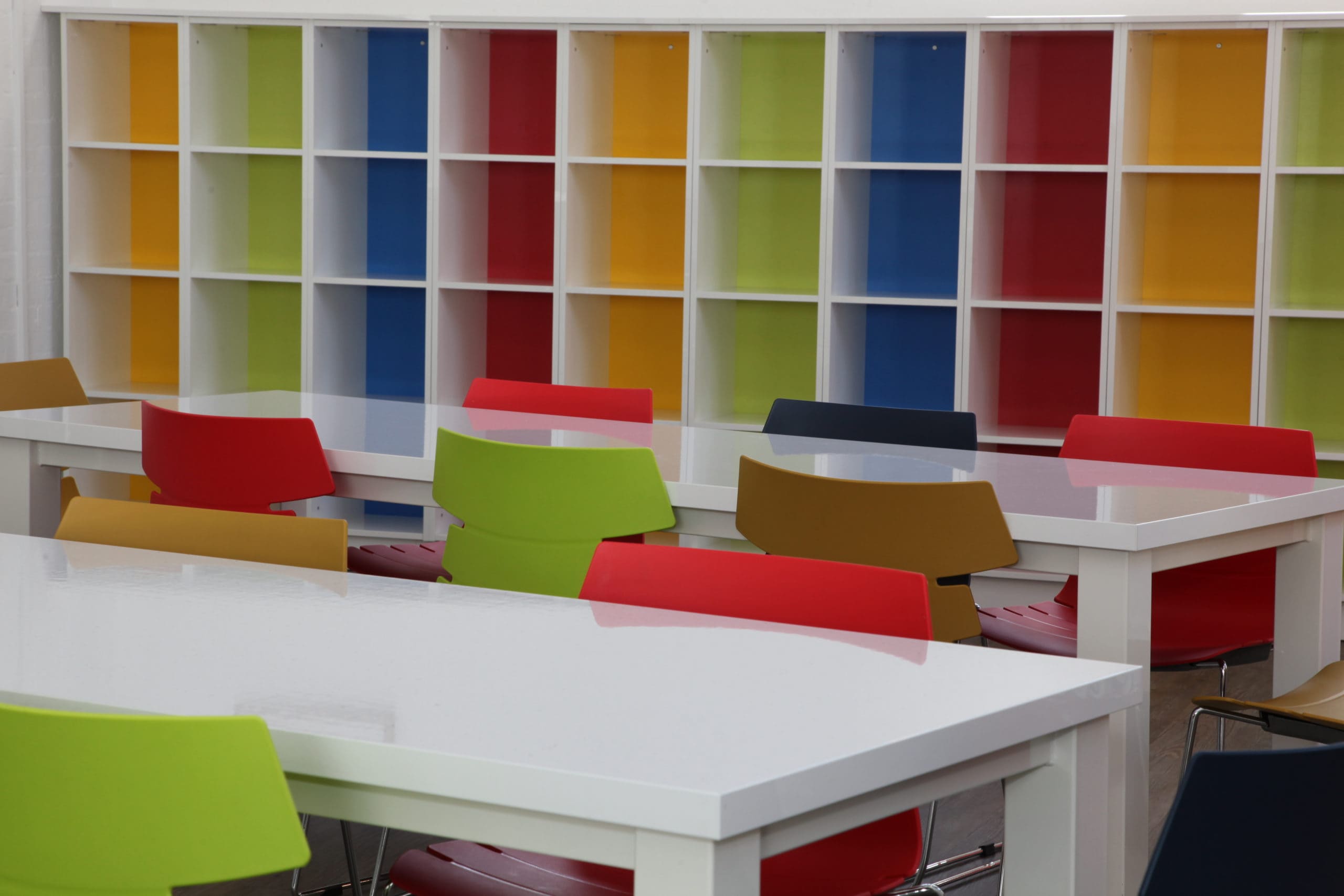
A successful learning environment needs to do more than provide enough desks and chairs. It should support concentration, encourage collaboration, feel comfortable and welcoming, and make the best possible use of the space available.
Colour and design play an important role in achieving this.
From the colour of classroom furniture and walls to the arrangement of desks, storage and breakout areas, seemingly small design decisions can influence how students experience a space. A calm palette can help create a focused atmosphere, while carefully positioned brighter colours can introduce energy, visual interest and a stronger sense of identity.
For schools, however, effective design is not simply about making classrooms look attractive. The most successful learning environments bring aesthetics and functionality together.
This is an approach reflected in the work of Witley Jones, where bespoke furniture, colour, materials and spatial planning are considered alongside the practical requirements of teaching and learning.
How does colour affect learning environments?
Colour is one of the first things people notice when they enter a room. It can influence how a space feels, how different areas are perceived and even how large or enclosed a room appears.
There is no single colour that is universally “best” for learning. The effect of a colour depends on its shade, intensity, the amount used, natural and artificial lighting, and the purpose of the space.
Witley Jones has previously highlighted the different ways colour can be used within educational environments. Warm colours such as reds, oranges and yellows can create a lively and energetic atmosphere, but stronger shades may become overstimulating if used too extensively. Cooler colours such as blues, greens and purples can help establish a calmer environment where concentration is important.
This suggests that the most effective approach is not to choose one colour and apply it everywhere, but to create a considered palette that reflects how different parts of a school will be used.
Colour psychology and student mood
The psychology of colour is particularly relevant when designing spaces intended for long periods of study.
A classroom dominated by highly saturated colours may feel energetic, but that same energy could become distracting during activities requiring sustained concentration. Conversely, an entirely neutral environment may feel calm and professional but risk appearing uninspiring.
Balance is therefore key.
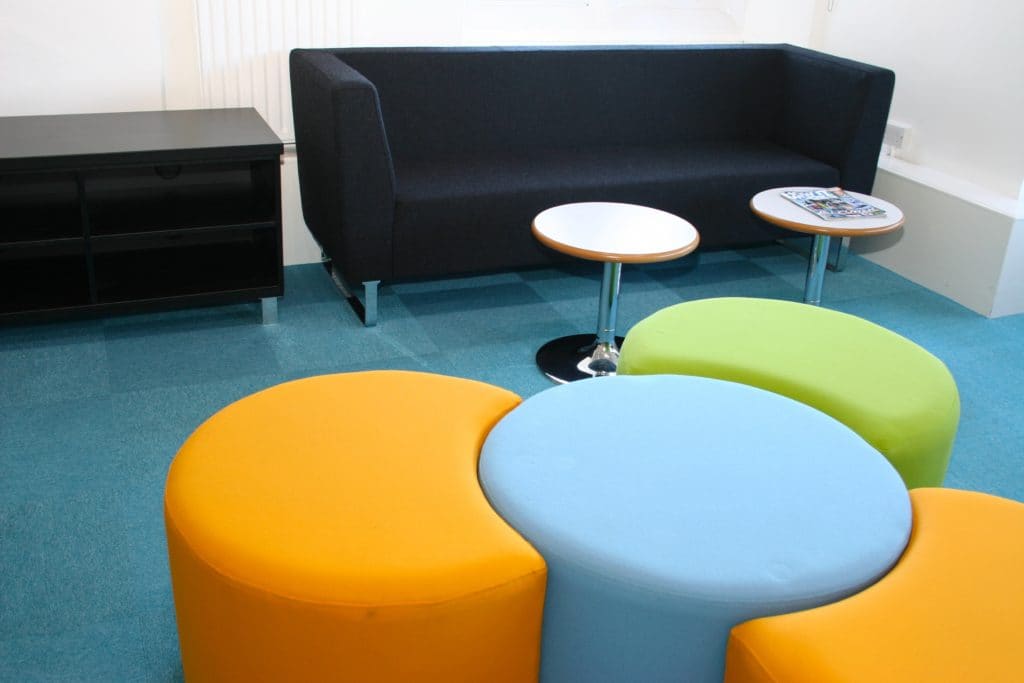
For example, softer blues and greens could contribute to a calm atmosphere in a library or independent study area, while brighter accent colours could be introduced into collaborative spaces, breakout areas or creative subjects.
Witley Jones takes a similarly practical view of colour in its approach to Learning Resource Centres. Its guidance highlights blue for calm and concentration, green for balance and wellbeing, neutral tones for warmth, and accent colours for adding energy or helping define particular zones.
The important consideration is context. Colour should support the purpose of the space rather than dictate it.
Using colour to encourage engagement
Engagement is not simply about making a classroom brighter or more colourful. Students need environments that feel stimulating without becoming overwhelming.
This is where colour can be used selectively.
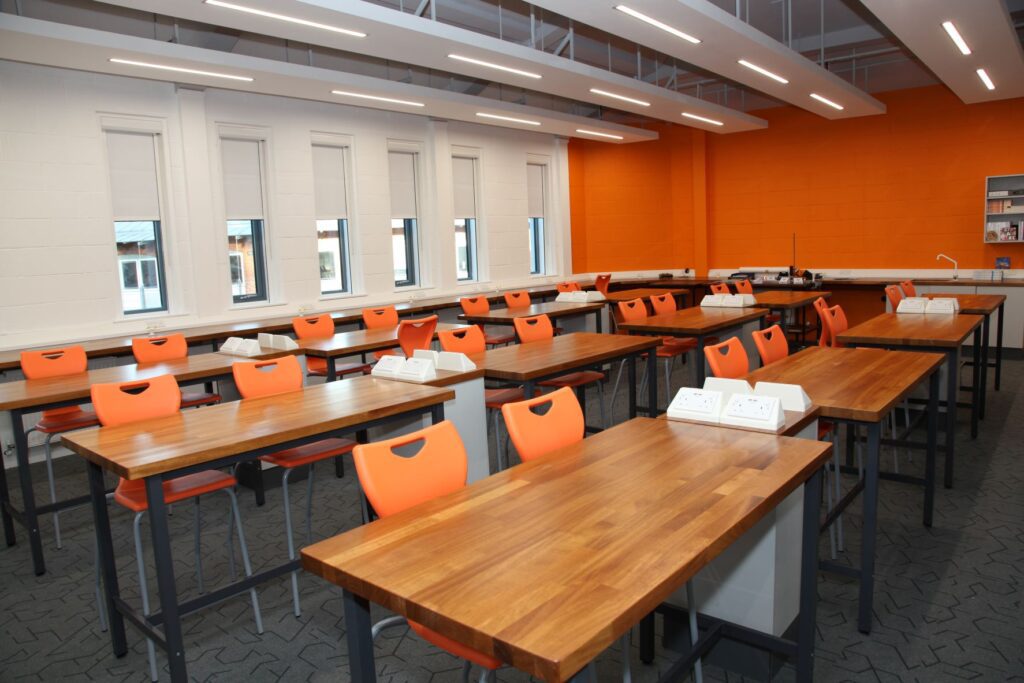
A brightly coloured chair, storage unit or feature panel can introduce personality without covering an entire room in intense colour. Similarly, different colours can be used to distinguish areas within a larger classroom.
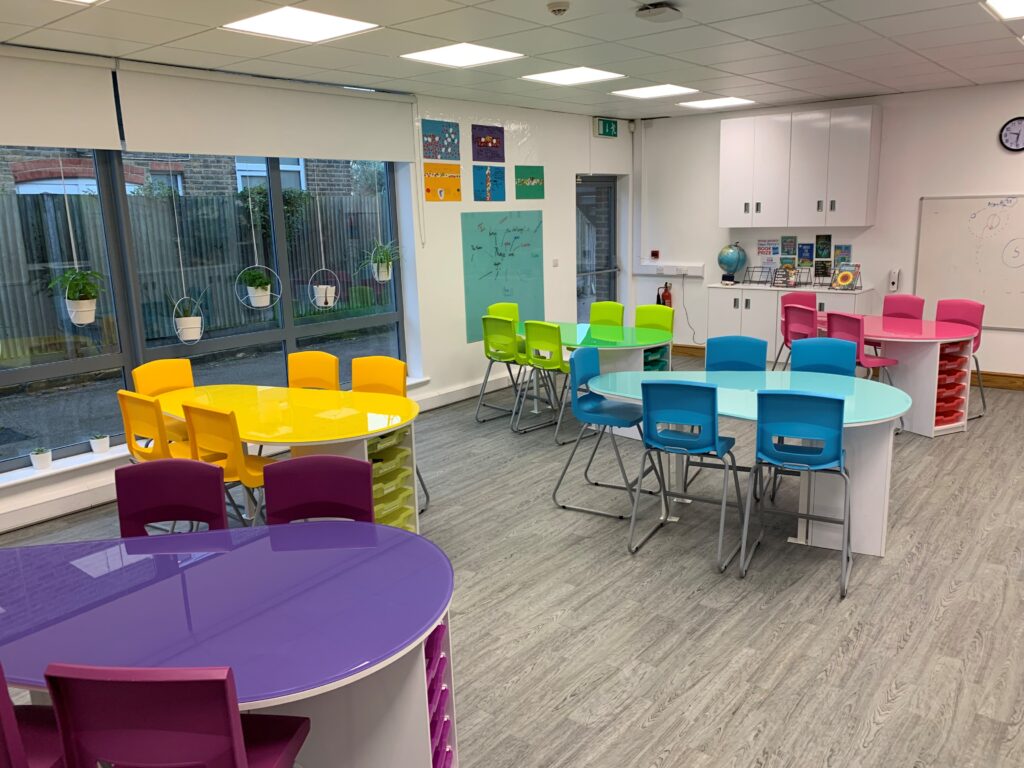
Witley Jones specifically identifies furniture as an effective way to introduce colour into schools. Schools can coordinate furniture with their existing branding, house colours or subject areas, while different furniture colours can also help separate activities such as reading, play and focused learning within a single room.
This creates an environment that is visually interesting while remaining purposeful.
Design can make spaces easier to use
Good educational design is not only about appearance. It should make the space work better.
Schools frequently have to accommodate multiple activities within the same room. A classroom may need to switch between whole-class teaching, independent work, group projects and informal discussion. A library may need to provide quiet study areas alongside collaborative spaces.
Furniture and spatial planning can help make these transitions possible.
Witley Jones designs and makes classroom furniture to order, with its in-house team developing solutions for individual school spaces. Its approach includes space-efficient storage, integrated technology and different furniture shapes, sizes, materials and finishes.
This bespoke approach is particularly useful where rooms have awkward layouts or need to perform several functions.
Rather than treating furniture as something that simply occupies floor space, it can become part of the architecture of the room.
Colour as a tool for zoning
One of the simplest ways to make a learning environment more intuitive is to use design to create zones.
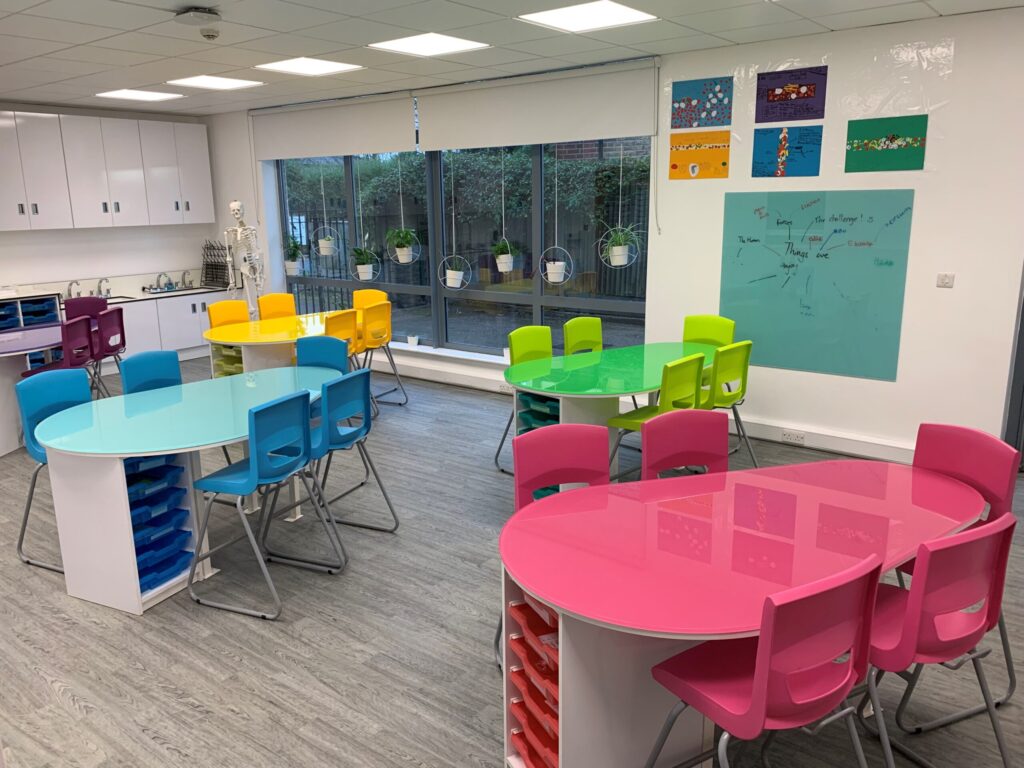
A change in furniture colour can signal that one area is intended for quiet reading while another is designed for collaborative work. Changes in flooring, furniture style, materials or lighting can reinforce those distinctions.
This is particularly valuable in open-plan or multi-purpose spaces, where physical walls are not always desirable or practical.
Witley Jones’ library work demonstrates this approach. Its Learning Resource Centre designs use carefully considered layouts to create quiet and collaborative areas, with furniture that introduces partitions and makes efficient use of available floor space.
Colour can reinforce these physical zones without making the space feel divided.
The result is a learning environment that communicates how it should be used almost intuitively.
Aesthetics can influence how students feel about a space
There is also a strong emotional element to educational design.
Students spend a significant proportion of their lives at school. The environments around them can contribute to whether they feel comfortable, welcome and connected to the place.
A tired, cluttered classroom may feel uninspiring, whereas a thoughtfully designed room can create a stronger sense of pride and ownership.
This does not mean that every school needs an elaborate interior scheme. Often, relatively simple changes can have a significant impact: introducing colour through seating, improving storage, creating dedicated breakout areas or using materials and finishes consistently throughout a space.
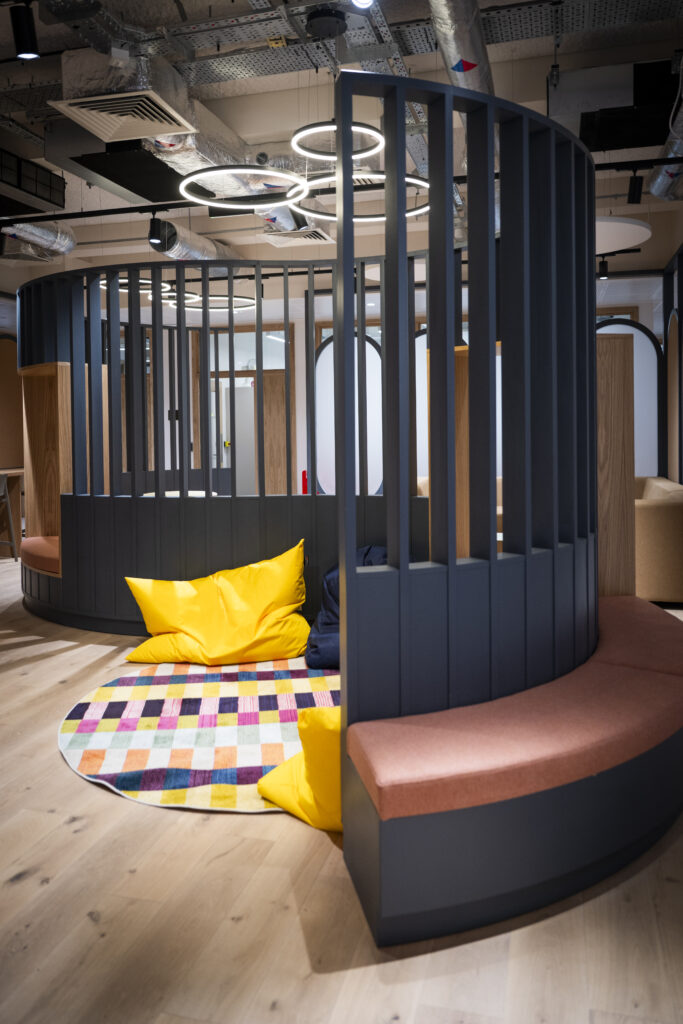
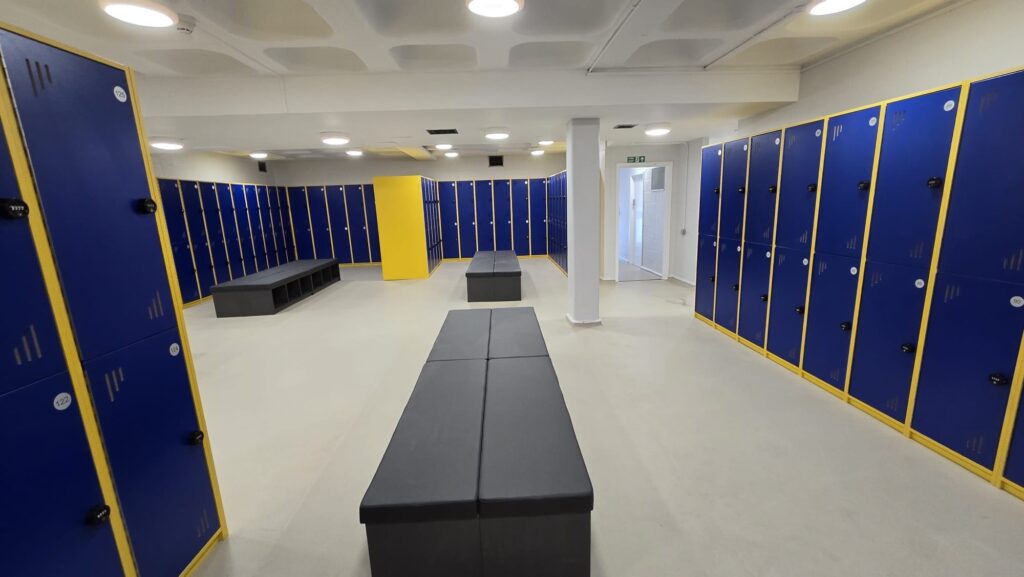
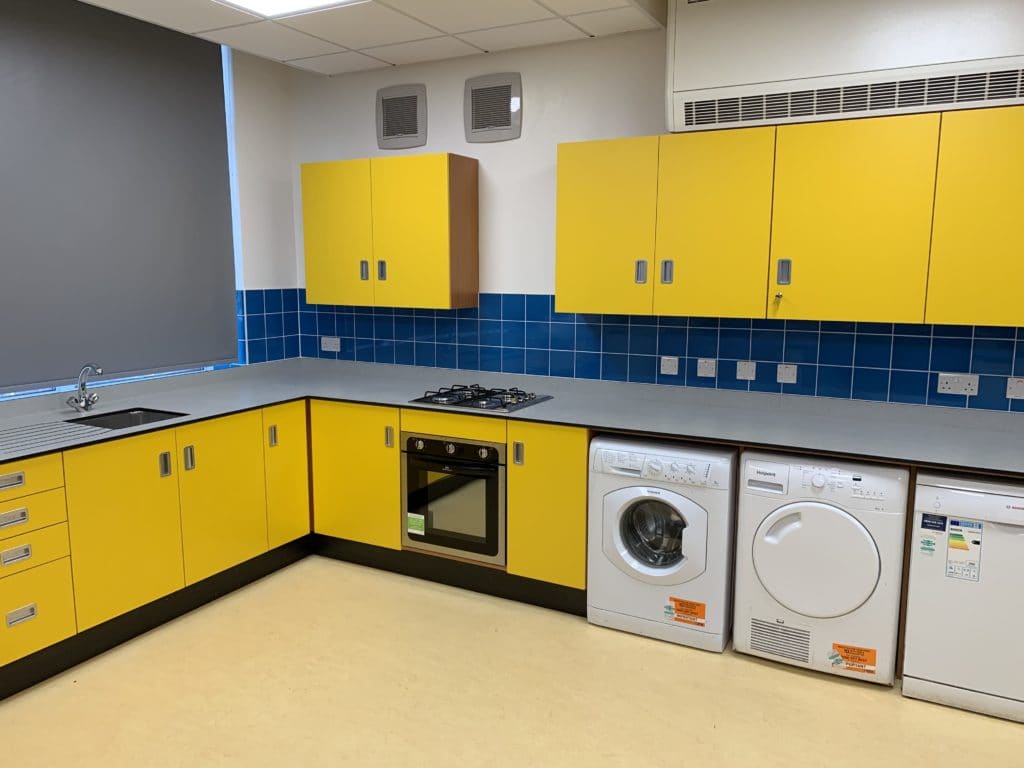
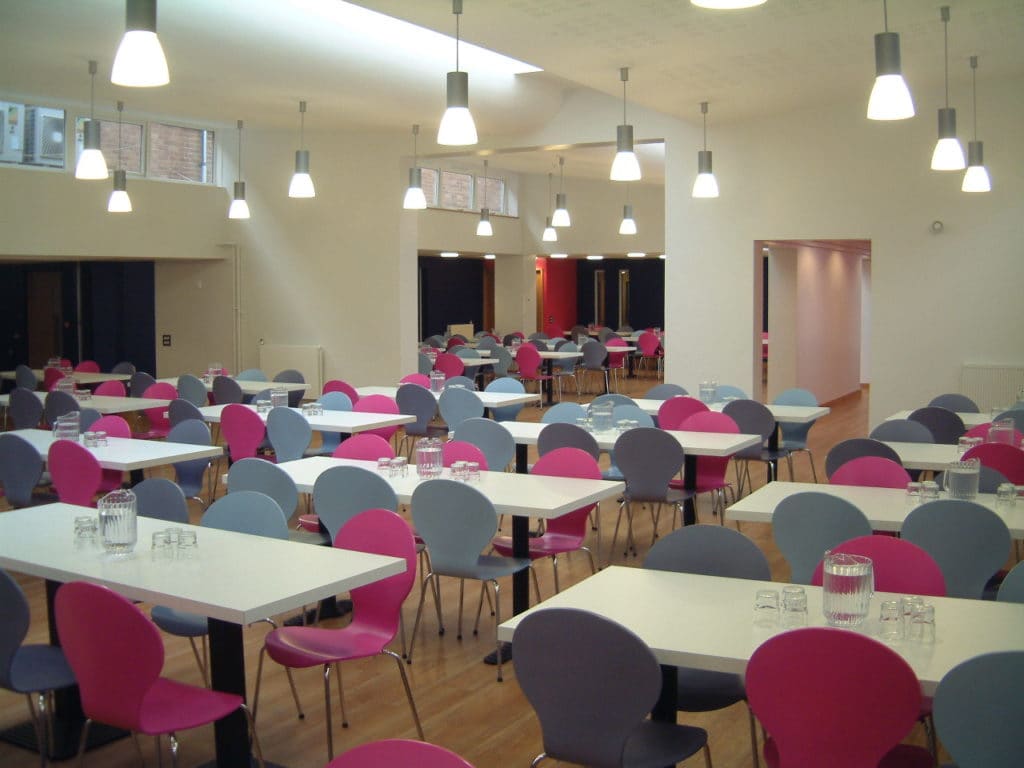
A recent Witley Jones project at Westminster Under School illustrates this balance. Working as part of the transformation of a former office building, the school wanted spaces that felt progressive, comfortable and exciting for older pupils. Witley Jones helped create colourful breakout environments alongside practical, robust classroom solutions.
The project demonstrates how aesthetics and practicality can work together rather than being treated as competing priorities.
Creating identity through colour
Colour can also play an important role in creating a school’s identity.
Many schools already have established colours within their branding, uniforms, houses or sports teams. Bringing these colours into furniture and interiors can create a consistent visual language across the school.
There are also opportunities to use colour to give individual departments or spaces their own identity.
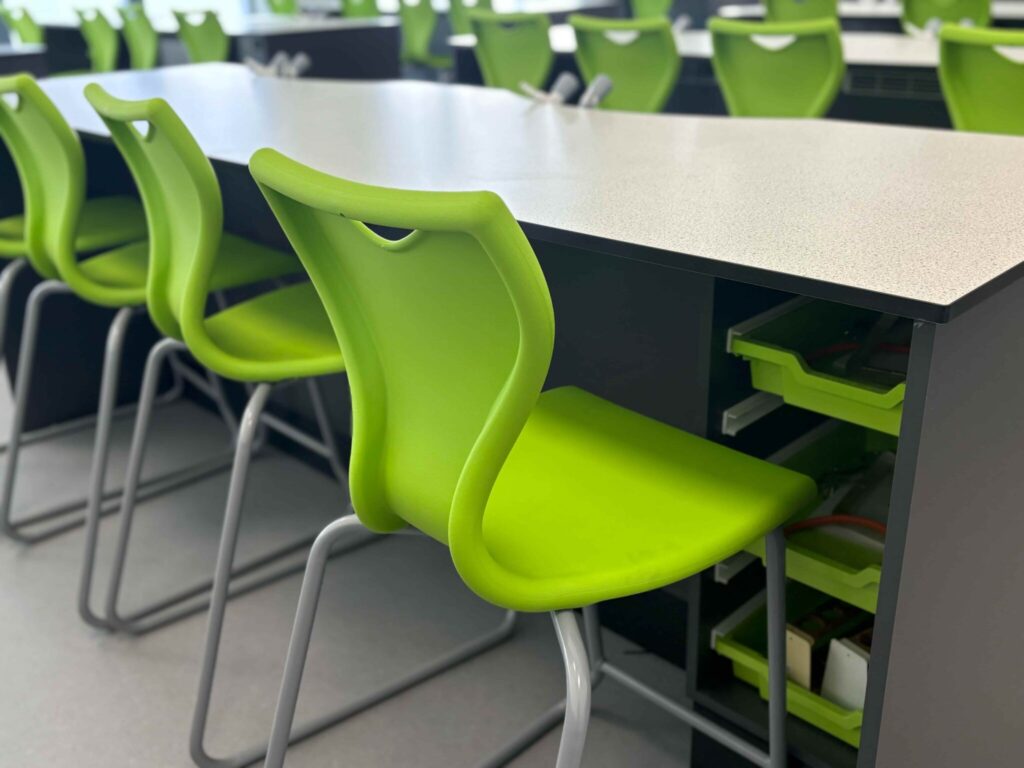
For example, Witley Jones highlights how schools can use different colours for subjects or departments, while science departments may use distinct palettes for biology, chemistry and physics.
In boarding environments, different colour palettes can also help establish a distinct identity for individual houses while maintaining a cohesive overall school aesthetic.
Used thoughtfully, this can contribute to a sense of belonging. Students begin to recognise and associate particular colours with the spaces and communities that are part of their school experience.
Materials matter too
Colour is only one part of the visual experience.
The materials used within a learning environment contribute to its texture, warmth, durability and overall character. Wood grains can introduce natural warmth, while laminates and solid colours can create a more contemporary appearance.
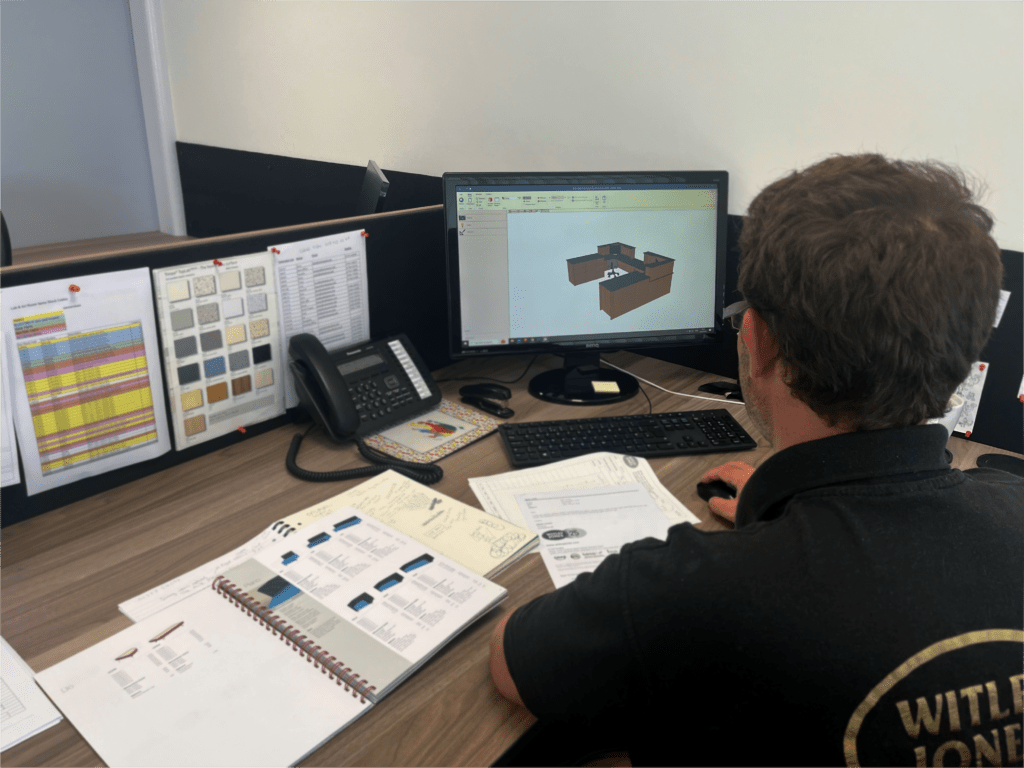
Witley Jones offers a range of finishes including natural veneers, melamine-faced MDF and plywood, alongside different wood grains and other finishes. The company also emphasises durable, easy-to-clean materials for educational environments.
This is important because educational furniture has to withstand considerably more than everyday visual wear and tear. It needs to cope with frequent use, cleaning, movement and changing requirements.
Good design therefore considers how materials will look and how they will perform.
Designing for different types of learning
There is no single ideal learning environment because different subjects and age groups have different requirements.
A primary classroom might need flexible furniture, accessible storage and clearly defined activity areas. An art room needs robust surfaces and storage that supports creative work. A science laboratory needs specialist materials and layouts that prioritise safety and practical experimentation.
A sixth-form study centre may require a very different atmosphere, combining independent study with informal collaboration.
Witley Jones’ work across these different environments reflects this principle. Its art and design furniture, for example, is designed to create stimulating but practical classrooms, with careful consideration given to storage, materials, colours and finishes.
In science environments, the company considers factors such as durable work surfaces, storage, safety and practical requirements alongside colour and aesthetics.
The lesson is simple: design should begin with the needs of the people using the space.
The importance of lighting
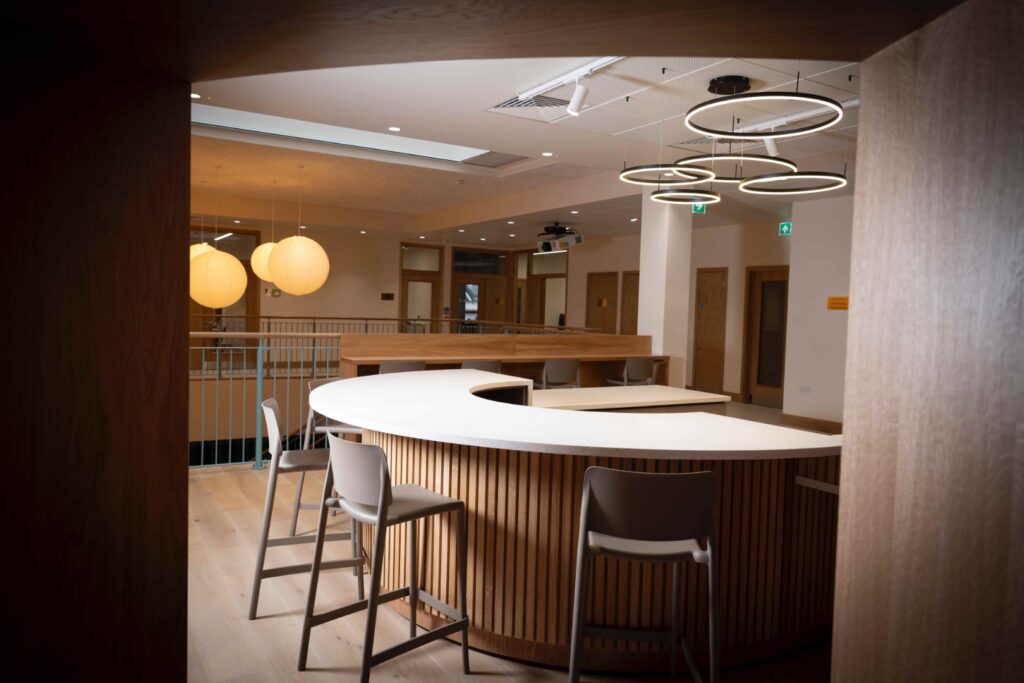
Colour cannot be considered in isolation from light.
The same paint, furniture finish or fabric can look dramatically different depending on the amount and quality of natural and artificial light within a room.
Lighting can also influence whether a particular colour feels warm, cool, bright or muted. This means colour choices should ideally be assessed within the actual environment rather than relying solely on printed samples or digital screens.
Witley Jones’ guidance for Learning Resource Centres similarly considers lighting alongside colour, acoustics, soft furnishings and zoning when creating welcoming and functional spaces.
This reinforces a broader principle: successful learning environments are created through a combination of design decisions, not one isolated feature.
Making better use of limited space
Space is another important consideration.
Schools do not always have the luxury of large, purpose-built rooms. Existing buildings can present awkward corners, restricted floor areas, structural limitations or rooms that need to accommodate several functions.
Thoughtful furniture design can help overcome these challenges.
Storage walls and teaching walls, for example, can consolidate storage, technology and teaching equipment around the perimeter of a classroom, freeing up valuable floor space and providing greater flexibility for furniture layouts.
This is where aesthetics and usability meet.
A well-designed storage solution can reduce visual clutter while creating a cleaner, more cohesive appearance. At the same time, freeing up floor space gives teachers greater scope to rearrange the room around different activities.
Flexibility is becoming increasingly important
Modern teaching does not always fit neatly into rows of identical desks. Collaborative learning, independent study, technology and project-based activities can all require different arrangements.
Furniture therefore needs to support change.
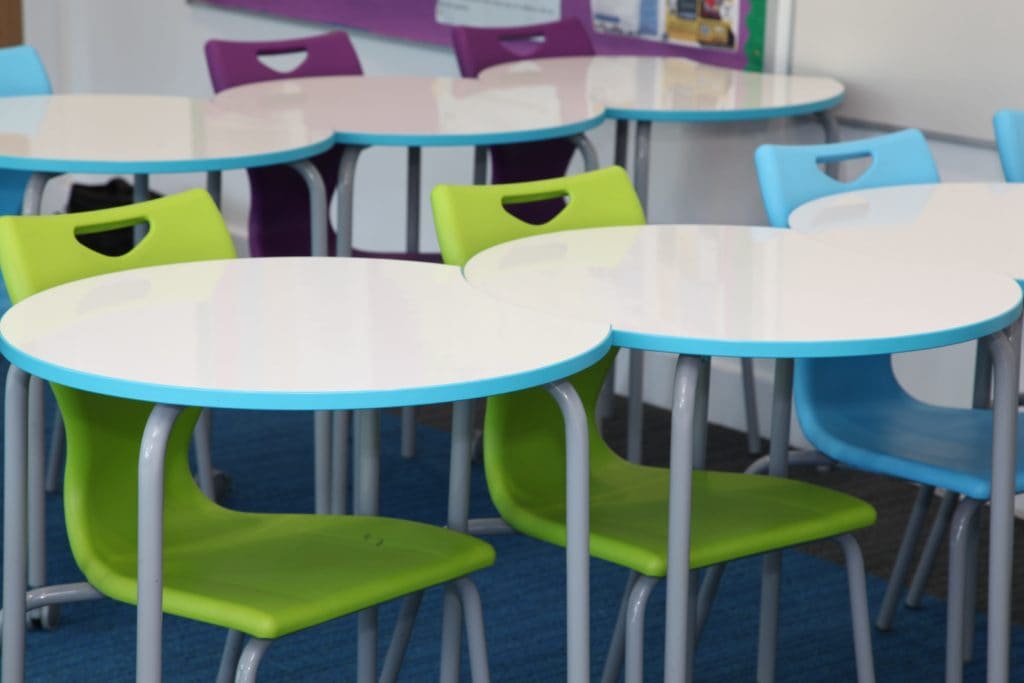
Witley Jones’ introductory brochure describes bespoke classroom furniture as a way of facilitating collaborative learning through different desk shapes and bright colours, allowing layouts to change to suit different teaching approaches.
This flexibility can make a room more adaptable and extend the usefulness of an investment in furniture.
Rather than designing a space for one particular teaching style, schools can create environments capable of evolving with their students, staff and curriculum.
Designing with purpose
Ultimately, colour and aesthetics should never be an afterthought in educational design.
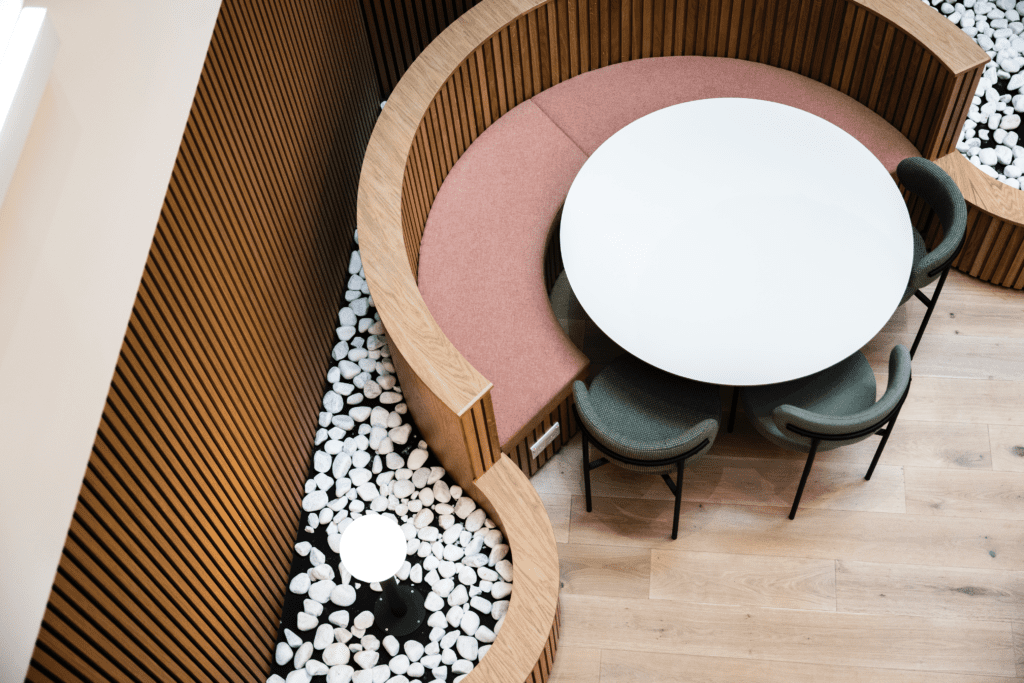
A successful learning environment brings together colour, furniture, lighting, materials, storage, acoustics and spatial planning to create a room that feels good and works well.
Colour can establish mood. Furniture can create zones. Materials can add warmth and durability. Storage can reduce clutter. Flexible layouts can support different teaching methods. And a consistent visual identity can help students feel that a space belongs to them.
This is why the most effective school interiors are rarely based on a single design trend.
Instead, they start with a simple question: What does this space need to help its users achieve?
For Witley Jones, that means working with schools to understand their requirements and developing furniture around the individual space, rather than taking a one-size-fits-all approach. Its in-house design service, bespoke manufacturing and broad choice of colours, materials and finishes allow schools to create environments that balance practicality with personality.
The result is more than an attractive classroom.
It is a learning environment designed around the people who use it, one that can support concentration, creativity, collaboration and wellbeing while making the best possible use of the space available.
When colour and design are considered as part of the wider learning experience, the classroom becomes more than a place where teaching happens. It becomes an active part of the learning itself.