

School furniture is about much more than filling a classroom with desks and chairs. The right environment can influence how pupils learn, how teachers deliver lessons and how effectively a school makes use of its available space. As educational needs continue to evolve, furniture is becoming an increasingly important part of creating comfortable, inclusive and engaging learning environments.
Looking ahead to 2027, several key trends are shaping the way schools approach their interiors. From sustainable materials and ergonomic seating to flexible classroom layouts and technology-ready designs, the focus is shifting towards furniture that works harder for pupils, teachers and the wider school community.
For educators, school leaders and facilities managers planning ahead, understanding these trends can help inform smarter purchasing decisions and create spaces that remain practical for years to come.
1. Sustainability at the Heart of School Furniture Choices
Sustainability continues to be an important consideration for schools, particularly those looking to reduce waste, make responsible purchasing decisions and get better long-term value from their budgets.
In 2027, the conversation is likely to extend beyond simply choosing furniture made from recycled materials. Schools are increasingly considering the entire lifecycle of a product, including how it is manufactured, how long it will last and whether it can be repaired, reused or recycled at the end of its working life.
Durability is central to this approach. Classroom furniture experiences considerable daily wear and tear, from chairs being moved between activities to tables being used for everything from handwriting exercises to science projects. Investing in well-made furniture that can withstand regular use may reduce the need for frequent replacements, helping schools manage both costs and environmental impact.
Other features worth considering include responsibly sourced timber, recycled materials, replaceable components and finishes that are easy to maintain. Where possible, schools should look for clear information about material sourcing, product longevity and relevant environmental credentials rather than relying on broad sustainability claims.
There is also growing value in choosing furniture that can adapt as needs change. A sturdy table that can be used across several age groups or learning environments offers greater flexibility than a product designed for just one specific purpose.

What educators should consider: Look beyond the initial purchase price. Assess expected lifespan, maintenance requirements, repair options and the availability of replacement parts. A sustainable choice should make sense environmentally as well as practically and financially.
2. Ergonomic Design for Healthier, More Comfortable Learning
Pupils spend a significant proportion of their school day sitting, writing, reading and working at desks. Furniture that supports comfort and good posture can therefore make a meaningful difference to their everyday classroom experience.
Ergonomic school furniture is designed with the needs of its users in mind. This includes appropriate seat heights, supportive backrests, suitable desk heights and enough space for pupils to work comfortably without feeling restricted.
One of the key considerations for schools is that children grow quickly. A chair that fits a younger pupil may be unsuitable a year or two later, making age-appropriate sizing and a range of furniture dimensions particularly important.
Rather than assuming that one standard chair or desk will suit an entire class, schools can benefit from selecting furniture that accommodates different body sizes and physical needs. Adjustable furniture can also offer additional flexibility, although it is important to consider how easy it is for staff to adjust and maintain.

Ergonomics is not limited to traditional seating, either. Standing-height tables, perch stools and varied seating options can introduce more opportunities for movement throughout the school day. These options should complement, rather than replace, suitable conventional seating and should be chosen according to pupils’ ages, needs and activities.
Comfort also depends on how furniture works together. Adequate legroom, appropriate working heights and enough space to move around a classroom all contribute to a more practical learning environment.
What educators should consider: Prioritise furniture that fits the pupils who will use it. Check dimensions against recognised guidance, consider accessibility requirements and, wherever possible, trial products with staff and pupils before committing to a large order.
3. Flexible Classrooms That Adapt to Different Learning Styles
The traditional classroom layout, with every desk facing the front, still has its place. However, many schools are recognising the value of spaces that can be rearranged to support different teaching methods and activities.
A single classroom may need to accommodate direct instruction, independent study, group projects, creative activities and classroom discussions within the same day. Furniture that can be moved and reconfigured easily helps teachers make these transitions without unnecessary disruption.
Modular tables are particularly useful because they can be arranged in rows, clusters, horseshoe formations or larger collaborative workspaces. Lightweight chairs and mobile storage units can also make it easier to adapt a room as lesson requirements change.
This flexibility is relevant beyond mainstream classrooms. Libraries, breakout areas, specialist teaching rooms and shared learning spaces can all benefit from furniture that supports more than one purpose.
Importantly, flexibility does not mean sacrificing organisation. Mobile furniture should be stable, durable and easy to move safely. Storage should remain accessible, and classroom layouts must preserve clear circulation routes, suitable access for wheelchair users and unobstructed escape routes.

Teachers also need to be able to reset a classroom quickly. If rearranging furniture takes too much time or effort, even a well-designed flexible space may not deliver its full potential.
What educators should consider: Think about the activities that take place in each room throughout a typical week. Choose furniture that supports those activities and can be reconfigured without creating extra work for teaching staff.
4. Technology-Ready Furniture for Modern Education
Digital learning is now an established part of many educational settings. From laptops and tablets to interactive displays and collaborative digital projects, technology continues to influence how classrooms are organised and used.
School furniture needs to support these activities without allowing cables, charging equipment and devices to clutter the learning environment.
Technology-ready furniture can include desks with integrated cable management, accessible charging solutions, secure storage for devices and work surfaces that provide enough room for both digital and paper-based tasks.
For older pupils, particularly in secondary schools and further education settings, this can be especially valuable. Students may need to move between individual laptop work, group assignments and traditional written activities within the same lesson.

In computer rooms and specialist learning spaces, desk dimensions, equipment placement and access to power supplies all require careful consideration. Furniture should support a comfortable working position while allowing staff to supervise pupils and maintain an organised room.
Technology readiness also involves planning for change. Devices, charging requirements and teaching methods may evolve over the lifetime of a furniture purchase. Solutions that can accommodate different equipment, provide accessible maintenance and avoid unnecessary built-in complexity may prove more useful over time.
Of course, technology should support learning rather than dictate classroom design. Furniture must remain functional for lessons that involve books, practical resources, discussion and hands-on activities.
What educators should consider: Assess the devices pupils and staff actually use, how they are stored and charged, and how frequently classroom layouts change. Prioritise safe cable management, accessible power solutions and adaptable work surfaces over features that may quickly become outdated.
5. Inclusive Furniture That Supports Every Pupil
Creating an inclusive learning environment means recognising that pupils have different physical requirements, sensory preferences and ways of engaging with their surroundings.
Furniture can play a valuable role in making classrooms more accessible and comfortable for a wider range of learners. Adjustable-height tables, accessible workstations, varied seating options and layouts that allow sufficient movement can help schools accommodate different needs.
For pupils with mobility requirements, suitable table heights, knee clearance and unobstructed routes are essential. For pupils who benefit from quieter or more structured environments, clearly defined learning zones and furniture arrangements that reduce unnecessary congestion may help make the classroom easier to navigate.
There is no single furniture solution that will meet every need. What works well for one pupil may not be appropriate for another, which is why consultation with teaching staff, special educational needs and disabilities (SEND) teams, occupational therapists and families can be valuable when planning particular environments.

Inclusive design also benefits the wider classroom. Furniture that is easy to move, comfortable to use and straightforward to access can make everyday activities more manageable for both pupils and staff.
What educators should consider: Treat accessibility as a core part of furniture planning rather than an afterthought. Consider the needs of current pupils while allowing enough flexibility to accommodate future changes in the school community.
6. Smart Storage and Furniture That Makes Better Use of Space
Space is a practical challenge for many schools. Classrooms must accommodate pupils, teaching resources, personal belongings and sometimes specialist equipment, often within relatively tight floor plans.
As a result, furniture that combines several functions is an attractive option for schools looking to make better use of available space.
Desks with integrated storage, mobile shelving, compact resource units and stackable chairs can help rooms remain organised without becoming overcrowded. In shared spaces, furniture that can be moved or stored efficiently may also make it easier to accommodate different groups throughout the day.
However, space-saving furniture needs to be chosen carefully. A compact desk should still offer sufficient working room, while storage units must be accessible to the pupils and staff who use them. Overly tall or poorly positioned furniture can restrict visibility and make supervision more difficult.
The aim is not simply to fit more into a room. It is to create a layout in which pupils can concentrate, teachers can move around freely and resources are available when needed.
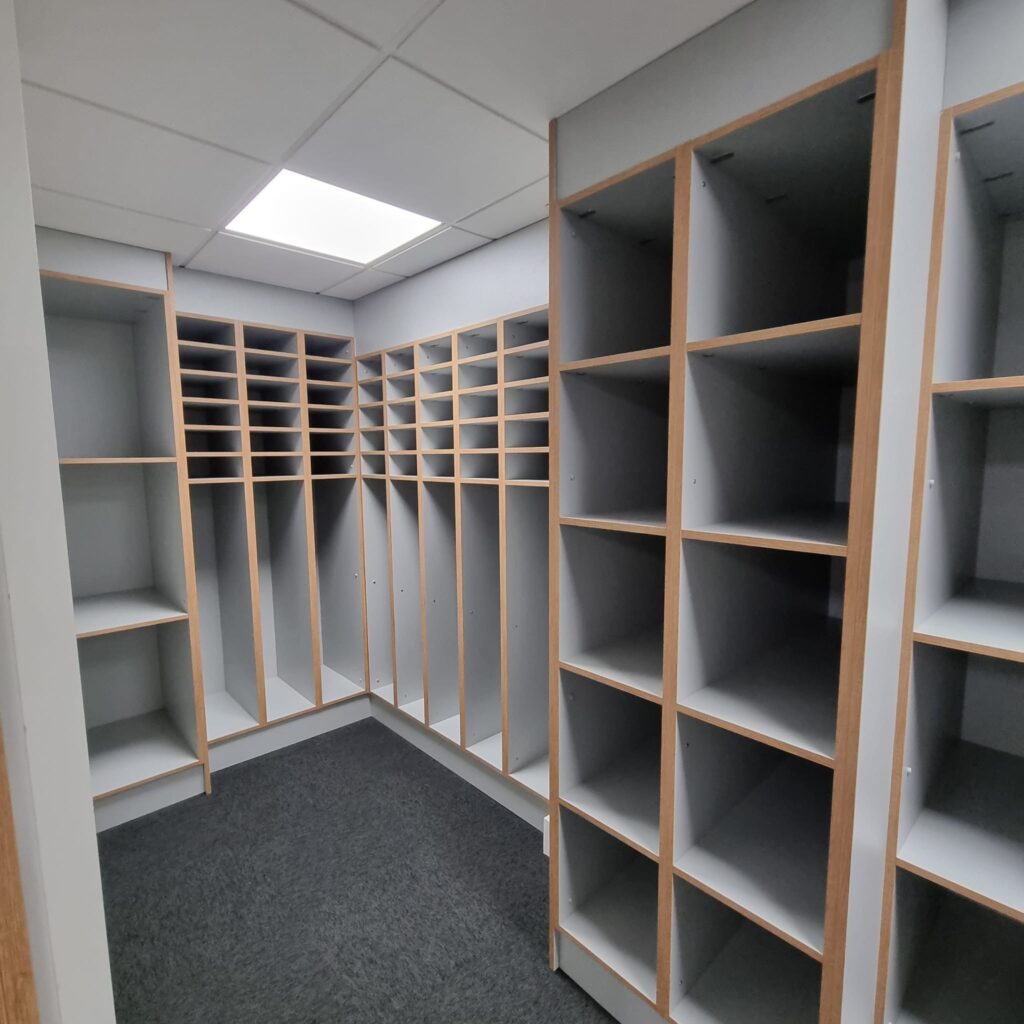
What educators should consider: Review how each classroom is used before purchasing additional furniture. Identify underused areas, recurring storage problems and activities that require more space. A carefully planned layout may solve problems that would otherwise lead to unnecessary purchases.
7. Timeless Design With Long-Term Value
While functionality remains essential, the appearance of educational spaces also matters. Well-designed classrooms can feel welcoming, organised and stimulating without becoming visually overwhelming.
A growing consideration for schools is how to balance contemporary design with long-term practicality. Neutral foundations, natural-looking finishes and carefully chosen accent colours can create an attractive environment that remains relevant even as interior trends change.
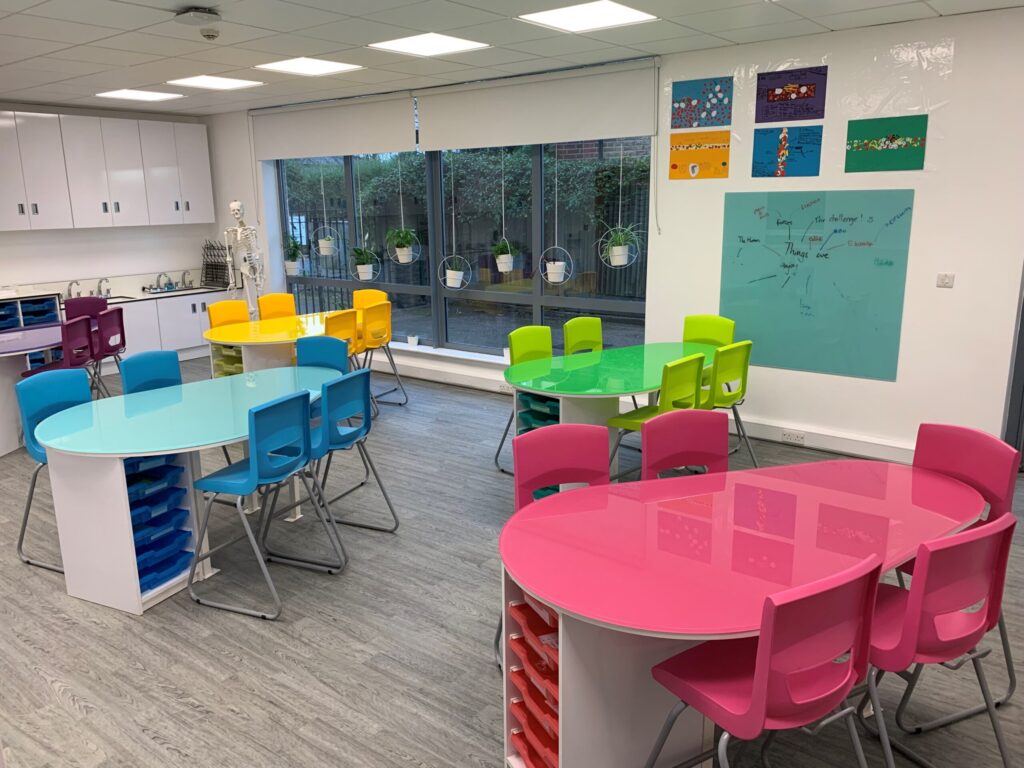


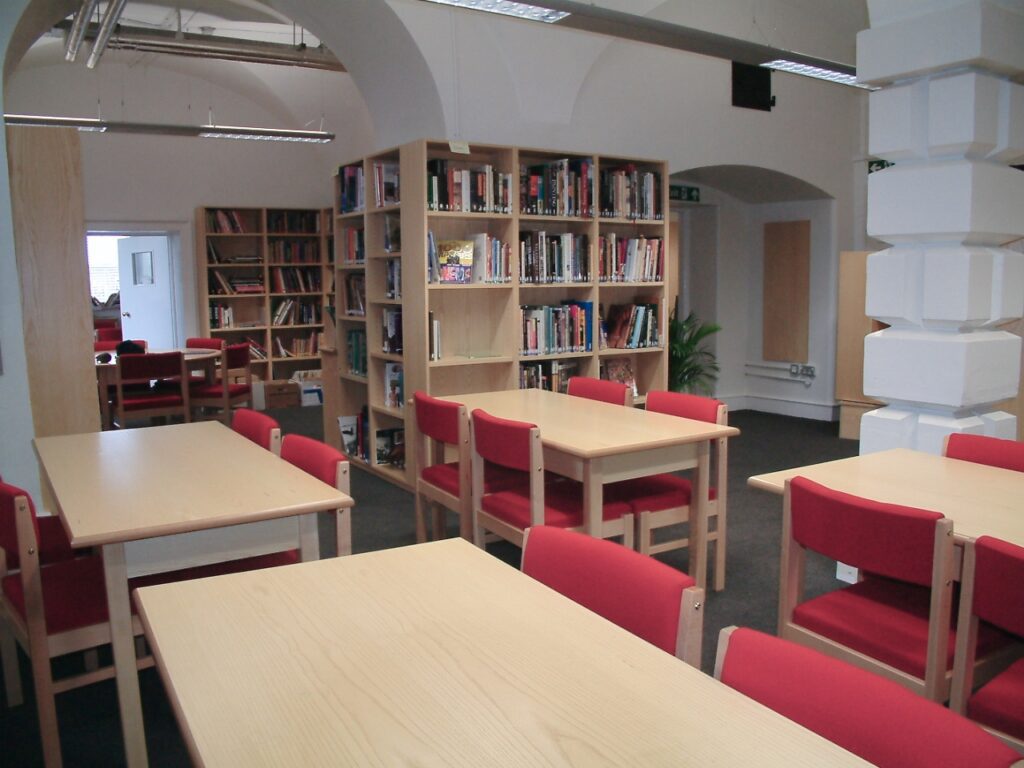


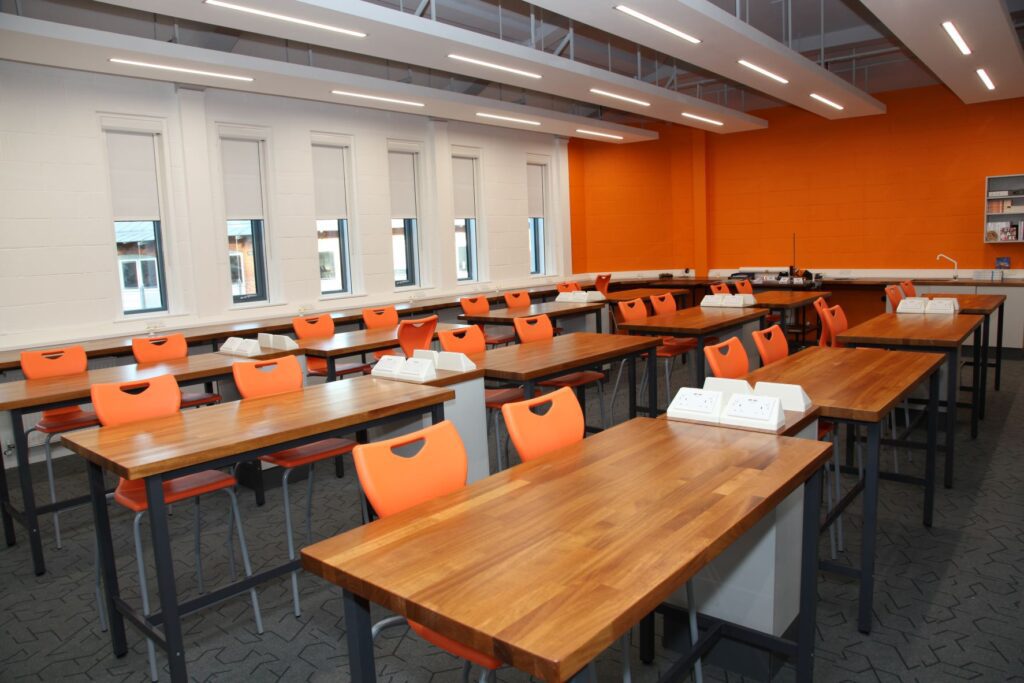

Colour can also help define different areas within a school. For example, a consistent colour scheme may help distinguish collaborative spaces from quieter study areas or make particular resources easier to identify.
The key is to avoid choosing furniture on appearance alone. Attractive products still need to meet requirements for durability, comfort, safety, cleaning and accessibility.
Timeless design also supports long-term value. Furniture that fits naturally into different room layouts and complements a variety of interior styles may be easier to retain when classrooms are refurbished or repurposed.
What educators should consider: Choose finishes and colours that work with the school’s wider environment, but let performance and suitability guide the final decision. Furniture should look good because it works well within the space, not simply because it follows a passing trend.
How to Choose School Furniture That Will Stand the Test of Time
Although these trends offer useful direction, the best furniture choices will always depend on the needs of the individual school. A primary classroom, a secondary science department and a sixth-form study area will have different priorities, even when they share the same commitment to quality and value.
Before making a purchasing decision, educators and facilities managers should consider several practical questions:
- Who will use the furniture? Account for pupils’ ages, sizes, accessibility requirements and the activities they undertake.
- How will the space be used? Consider whether furniture needs to support individual work, group learning, practical activities or several functions throughout the day.
- How durable is the product? Review materials, construction, warranties, maintenance requirements and the availability of replacement parts.
- Can it adapt to changing needs? Look for designs that can be rearranged, adjusted or repurposed as teaching requirements evolve.
- Does it represent long-term value? Compare the expected lifespan and ongoing costs, not just the initial price.
- Does it meet relevant requirements? Check applicable safety standards, accessibility considerations and any procurement requirements relevant to the school.
- Have staff been involved? Teachers and support staff often understand the everyday challenges of a space better than anyone else. Their input can help prevent costly mistakes.
Looking Beyond Price: The Importance of Responsible Sourcing
When choosing school furniture, it is worth looking beyond the initial price and asking questions about how, where and by whom it is made. Does the supplier comply with UK employment law, pay above the National Living Wage, provide meaningful employee benefits and invest in apprenticeships and ongoing staff training? Are its manufacturing facilities regularly inspected, and does the business uphold high standards of health and safety? Equally, are its products independently tested or otherwise verified against the relevant British Standards? These considerations may not always be immediately visible in a quotation, but they can have a significant impact on the quality, safety and long-term value of a purchase.
Suppliers that invest in their people, manufacturing processes and product testing may have higher costs than those that do not, but this investment can support more reliable products, a skilled workforce and responsible manufacturing. For schools, whose purchasing decisions are often made with public benefit and long-term value in mind, choosing a supplier is therefore about more than securing the lowest price. It is also an opportunity to support fair employment, develop skills, strengthen the UK manufacturing sector and contribute to a more responsible supply chain. Asking these questions helps bursars and school leaders make informed decisions about not only what they buy, but the wider impact of how they buy it.
Whenever possible, it is worth seeing furniture in person, checking product dimensions carefully, and asking suppliers about lead times, installation, and after-sales support. These practical details can make a considerable difference to the success of a project.
Looking Ahead: The Future of School Furniture
The school furniture trends shaping 2027 point towards a more considered approach to educational environments. Sustainability, ergonomic design, flexibility, technology readiness and inclusive planning are not isolated ideas; they work best when considered together.
A durable table made from responsibly sourced materials, for example, can also support collaborative learning. An adjustable workstation can improve usability while accommodating changing pupil needs. A well-planned classroom layout can make better use of space while helping pupils move around more comfortably.
For schools, the challenge is to identify furniture that meets today’s requirements without limiting tomorrow’s possibilities. That means looking beyond short-lived trends and focusing on practical design, lasting quality and the people who will use each space every day.
At Witley Jones, understanding the relationship between furniture, space and the needs of educational settings is an important part of making informed choices. By considering how pupils learn, how teachers work and how school environments may evolve, educators can make furniture decisions that deliver meaningful value well beyond 2027.
Ultimately, the most successful school furniture is not necessarily the newest or most eye-catching. It is furniture that helps classrooms function better, supports the people within them and continues to meet the school’s needs for years to come.