
7 Key Considerations for Creating Spaces for Students to Thrive
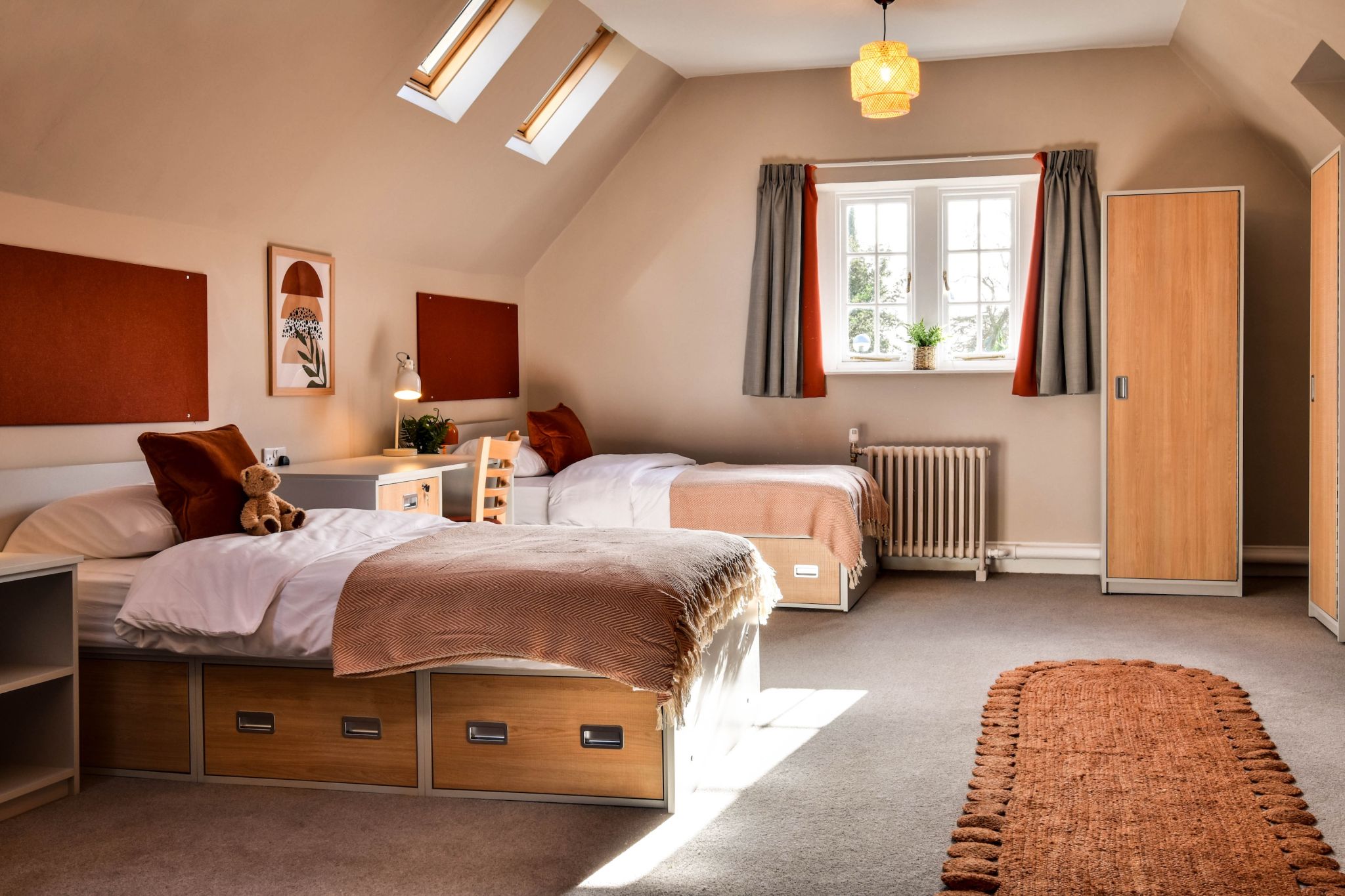
Designing boarding accommodation involves much more than selecting beds and wardrobes. For schools, it’s about creating spaces that support students’ well-being, independence and academic success while ensuring the chosen furniture stands up to years of daily use.
Boarding houses are busy environments. Students study, relax, socialise and store their belongings all in the same space, so thoughtful design is essential. If you’re planning a new boarding house or refreshing an existing one, here are some important considerations to help you get started.
1. Durability: Designing Furniture That Lasts
For many schools, boarding furniture represents a significant investment, so it needs to last. Unlike furniture in a typical home, boarding furniture is used every single day by different groups of students over many years.
Think about a student desk, for example. It’s not just used for studying; it might also hold laptops, textbooks, drinks, bags and sports equipment throughout the day. Over time, that level of use can take its toll if the materials aren’t up to the job.
That’s why durability should be one of the first considerations when designing boarding accommodation. High-quality materials, strong construction methods, and robust finishes help ensure furniture remains functional and looks good for years to come.
Choosing durable furniture doesn’t just protect your budget, it also reduces disruption for students and staff by avoiding frequent repairs or replacements.
2. Practicality: Making the Most of Every Space
Boarding houses need to be both comfortable and efficient. Schools often have to accommodate a large number of students, so making the best possible use of the available space is essential.
The challenge is finding the balance between practicality and comfort. A room that feels cramped or cluttered won’t provide a positive environment for students, but the layout also needs to accommodate the number of boarders the house supports.
Good furniture design can help solve this challenge. For example, integrated storage, compact desks or multi-functional furniture pieces can help free up valuable floor space while still giving students everything they need.
A well-designed dormitory should feel organised and comfortable rather than crowded, and thoughtful furniture design plays a huge role in achieving that.
3. Security, Privacy and Storage: Supporting Student Independence
When students move into boarding accommodation, they bring with them personal belongings, valuables and items that help them feel connected to home. Having secure storage is, therefore, incredibly important.
Students also appreciate having their own private space, even when they’re sharing a dormitory with others. Lockable furniture can help provide that sense of ownership and security.
One solution many schools find effective is a one-key locking system, in which all lockable items assigned to a student — such as wardrobes, drawers, or lockers, can be opened with a single key. This keeps things simple for students while still maintaining security.
Some schools also incorporate combination locks or electronic safes into furniture design, providing students with a secure place to store valuables such as laptops or passports.
Of course, boarding staff still need access when necessary, which is why master-key systems are often included as part of the overall solution.
4. Creating a “Home Away From Home”
Boarding school is often a child’s first real step into independent living. For younger students especially, moving away from home can feel both exciting and overwhelming.
The environment they move into plays a huge role in how comfortable they feel during those first few weeks.
While boarding accommodation needs to be practical, it should also feel welcoming and personal. Small design details can make a big difference in helping students feel more at ease.
For example, providing pin boards, small shelving spaces or display areas allows students to personalise their part of the room. Photos of family, favourite posters or mementoes from home can instantly make a space feel more familiar.
A simple pinboard is a great example. It’s a low-cost addition that allows students to decorate their space without damaging walls or furniture, while helping create that important “home away from home” feeling.
5. Balancing Study and Social Spaces
Boarding houses need to support both academic focus and social interaction. Students need quiet places to concentrate on their studies, but they also need spaces to relax and connect with their peers.
Parents often consider this balance when choosing a boarding school. They want to know their child will be supported academically while also enjoying the social benefits that boarding life offers.
This means designing accommodation that includes both study-focused and relaxation-focused areas. For instance, a dorm room might include a dedicated desk and study lighting, while a nearby common room could provide comfortable seating where students can unwind after lessons. Even small breakout spaces can encourage group work or collaborative study sessions.
When these environments are carefully considered, boarding houses become places where students can both succeed academically and build strong friendships.
6. Colour Schemes and Identity
Colour may seem like a small design decision, but it can have a surprisingly big impact on how a space feels.
Different colours can influence mood, energy levels and concentration. Softer, neutral tones can help create calm and focused study environments, while warmer or brighter accents can make communal areas feel more welcoming and lively.
Schools may also want to consider how furniture colours align with their broader identity. For example, some schools choose to reflect their branding through colour choices, while others give each boarding house its own distinct colour palette.
This can help create a sense of identity and belonging within each house while maintaining a cohesive look across the school.
7. Maximising Space with Study Bunks
Study bunks have long been a popular solution in boarding accommodation because they combine several functions into one compact piece of furniture.
By integrating a sleeping area with a desk, storage and shelving, study bunks help create individual spaces for students within shared dormitories.
This design offers several advantages. Students gain a sense of personal space for studying and relaxing, while schools can make efficient use of the available room.
For example, in a shared dormitory, study bunks can help create defined zones for each student, giving them somewhere to focus on homework or enjoy some quiet time.
Modern study bunks are also highly adaptable. They can be designed to accommodate different mattress sizes, room layouts and storage requirements. With a wide range of finishes available, they can also complement the boarding house’s overall design.
Great boarding accommodation design is about understanding how students actually live day to day. By focusing on durability, practicality, security and wellbeing, schools can create environments that truly support students during their time away from home.
When furniture is thoughtfully designed, and spaces are carefully planned, boarding houses become more than just places to sleep; they become supportive communities where students can learn, grow and thrive.
Ready to Improve Your Boarding Accommodation?
If you’re planning a boarding house refurbishment or designing a new accommodation space, our team would be happy to help.
Stay up to date with furniture design trends
Subscribe to our newsletter and follow us on Twitter or LinkedIn.